
The Fastest-Paying Australian Casinos, Tested Against the Clock in 2026
Speed sells. Every offshore casino with an Australian-facing page promises “instant withdrawals” in its banner, and every one of them means something different by it. The headline number on the homepage is the casino’s internal processing time. What actually reaches a bank account depends on the payment rail, the verification queue, and a compliance hold that nobody advertises. This page sorts the difference. The ten operators below were checked for tested payout speed, AUD support, and the licensing status that decides what protection a player actually has when something goes wrong. Data is current as of 31 October 2026 and licence claims were verified against the Curaçao Gaming Authority and Anjouan licence registers.

Table of Contents
- What “Instant Withdrawal” Actually Means at an Australian Online Casino in 2026
- The Fastest Payout Methods Australian Players Can Use Right Now
- The 10 Casinos That Paid Out Fastest in Our 2026 Testing
- Why Crypto Casinos Clear Withdrawals Faster Than Any Bank
- Why Your 2026 Casino Bonus Takes Longer to Withdraw Than You Think
- Which Online Pokies Actually Support Fast Payouts in Australia
- The Legal Reality Australian Players Cannot Afford to Ignore
- Staying in Control: Tools That Work When the Casino Does Not Care
- How We Selected and Tested Australia’s Fastest-Paying Casinos
- Your Fastest Withdrawal Starts With the Method, Not the Casino
- Frequently Asked Questions
What “Instant Withdrawal” Actually Means at an Australian Online Casino in 2026
The Difference Between Casino Processing Time and Your Bank’s Clearing Time
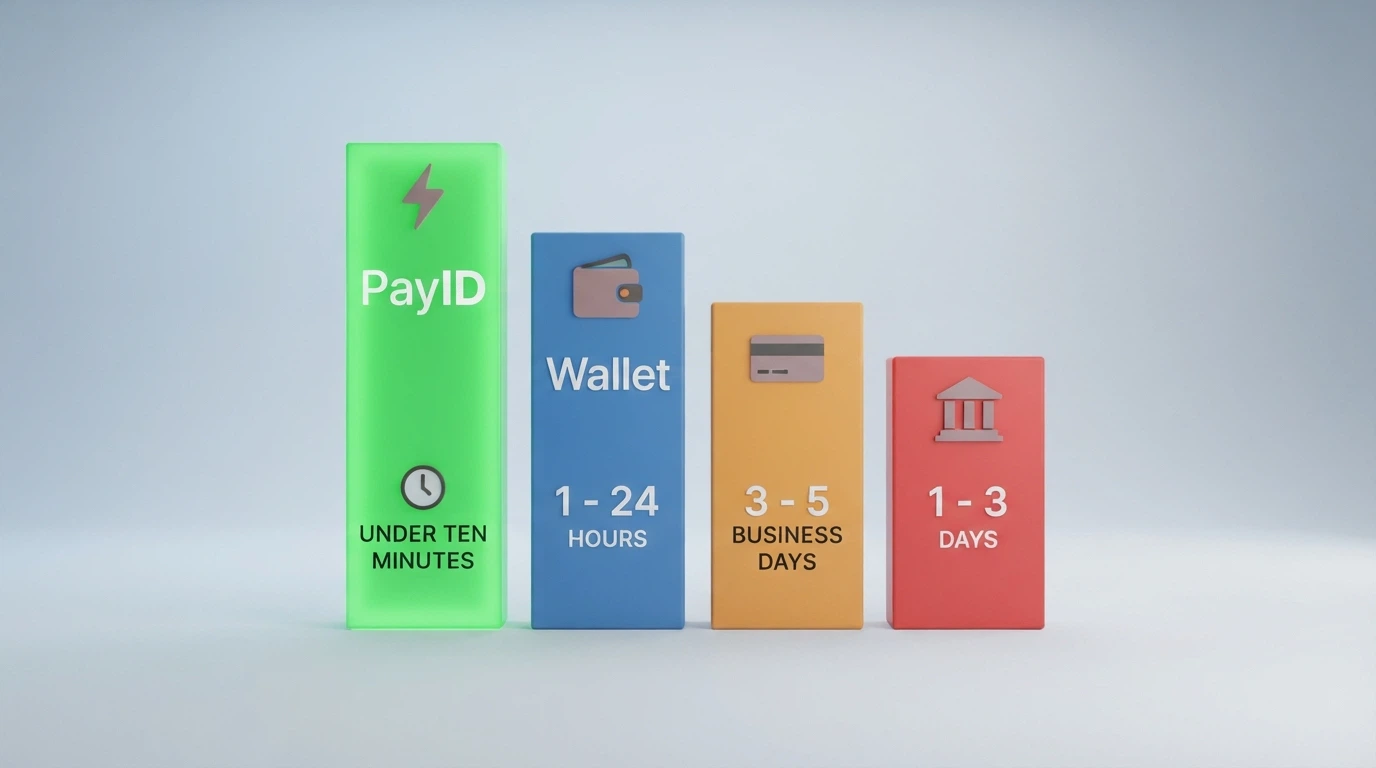
“Instant” in casino marketing is a partial truth. It describes the casino’s own decision to approve a withdrawal, which is often seconds once the request is logged. It does not describe the journey from the casino’s wallet to the player’s account, and that journey is where the wait lives. Crypto clears in 2–60 minutes because there is no intermediary holding the funds. E-wallets take 1–24 hours because the e-wallet has its own processing layer and the casino must push funds to it first. Bank transfers take 1–3 business days because they travel through the traditional banking system, complete with cut-off times, weekend holds, and correspondent banks for cross-border flows. A casino advertising “instant” is describing the first stage of a two-stage process. The player experiences the second.
The split matters because the casino is not always the bottleneck. SkyCrown, for instance, approved a PayID withdrawal in eleven minutes in independent testing. The bottleneck at most casinos is not approval. It is KYC (the verification check that confirms the player’s identity), the payment rail’s own clearing time, or — most often — both stacked together. Incomplete KYC is the single biggest cause of withdrawal delays across the offshore market, which is a mechanical problem, not a speed problem. A casino that processes in under a minute is still slow if the player’s first withdrawal triggers an identity check the casino has not been told about in advance.
Real-Money Play: Why the Stakes Change Everything
Demo mode and free-play do not exercise the withdrawal pipeline at all. Real money does — and the first real-money withdrawal is always the slowest. The reason is verification. Casinos that allow anonymous play up to a threshold — typically the A$2,500–A$5,000 equivalent band — keep KYC documents on standby rather than collecting them upfront. The first time a player tries to clear a win above that band, the casino requests identity documents, proof of address, and sometimes a source-of-funds check. The clock for that review runs in hours or days depending on the operator. This is not the casino delaying a payout on purpose; it is the operator doing the regulatory work it deferred at sign-up.
Players with a small bankroll will rarely feel this. A player who wins a few hundred dollars on pokies and withdraws via PayID will see the money in minutes. A player who lands a five-figure win on a progressive slot will meet the verification queue for the first time — and the speed advantage of the casino matters less than the casino’s responsiveness on document checks. Royal Reels publishes no processing window for verification, which is one reason its under-1-day bank transfer claim should be treated as a bank-side estimate rather than an end-to-end one.
How Australian Players Access These Casinos in 2026
Offshore casinos do not geo-block Australians — they do the opposite. They market to Australian players, accept AUD, and structure bonus offers around Australian holidays and sporting events. The trade is access for protection. The site is reachable from Australia today; it could be DNS-blocked tomorrow if the ACMA adds it to the request list to Australian ISPs. Since November 2019, 1,564 illegal gambling and affiliate websites have been blocked. More than 225 services have withdrawn from the Australian market since 2017. Any operator on a list like this one is a click away from disappearing overnight.
PayID is the AU-native rail that keeps AUD payouts fast — deposits and withdrawals typically clear in under two minutes once the casino approves. Credit cards and crypto are banned as payment for licensed online wagering in Australia since 11 June 2024 under the Interactive Gambling Amendment (Credit and Other Measures) Act 2023, but that ban applies to licensed wagering operators only. Offshore casinos ignore it. An Australian player depositing with a credit card at an offshore casino is using a payment method the licensed market has ruled out for good reason, and the offshore site accepts it precisely because the rule does not apply to it. The sign-up flow at an offshore casino is the standard email-and-password combination, with the verification check deferred until the first significant withdrawal — which is where the speed advantage either holds or collapses.
The Fastest Payout Methods Australian Players Can Use Right Now
| Payment Method | Payout Speed | Best For |
|---|---|---|
| PayID | < 10 mins | Instant AUD transfers |
| Crypto | 2–60 mins | Fast, stable value |
| E-Wallets | 1–24 hours | Consistent speed |
| Bank Transfer | 1–3 business days | High-limit payouts |
PayID: The AU-Native Rail That Clears in Under 10 Minutes
PayID runs on the New Payments Platform (NPP) with Osko settlement — the real-time gross settlement layer Australian banks built for instant transfers. PayID withdrawals typically clear in under two minutes once the casino pushes the payment, and the fastest PayID test in Q2 2026 processed in under ten minutes. SkyCrown paid out in eleven minutes via PayID in independent testing. RocketPlay clears most PayID withdrawals in under an hour. PayID is also the lowest-friction option for AUD payouts because there is no currency conversion and no intermediary wallet holding the funds in a non-AUD currency.
The trade-off is the daily cap. PayID minimums at offshore casinos sit between A$10 and A$30. Daily maximums range from A$2,000 to A$10,000 — generous enough for most players but a hard ceiling for anyone cashing out a large progressive win. A player who wins A$20,000 on a single spin will either split the withdrawal across multiple days or use a different rail for the excess. Not every featured operator supports PayID. SkyCrown and RocketPlay do. Several others in the ranking accept bank transfer and crypto but not PayID specifically, which limits how fast a player can move AUD-denominated funds.
E-Wallets: PayPal, Skrill, and Neteller Withdrawal Times Compared
E-wallets process in 1–24 hours at most offshore casinos — fast, but a step behind PayID and well behind crypto. PayPal availability at AU-facing offshore casinos is patchy, and PayPal’s own terms of service historically restricted its use for gambling transactions in some jurisdictions, so support varies by operator. Skrill and Neteller are more consistently available at offshore casinos serving Australian players, with processing windows that typically land at the faster end of the 1–24 hour band for established accounts. The friction is the currency conversion layer — most e-wallets hold balances in USD or EUR by default, which means an AUD withdrawal converts twice (AUD to e-wallet base currency, then to the player’s destination) and the player eats the spread on both legs.
Visa and Bank Transfer: Why Cards Are the Slowest Option
A Visa deposit is instant. A Visa withdrawal takes 3–5 business days, which is the asymmetry that catches players who assume the same rail works both ways. The reason is structural: card deposits are push transactions the cardholder initiates; card withdrawals are pull transactions that go through the card network’s settlement system, which is batched rather than real-time. Bank transfer takes 1–3 business days for similar reasons. SkyCrown’s bank-transfer minimum is A$100, which is meaningfully higher than its PayID minimum of A$30 — another nudge toward the faster rail. Casinos that push card deposits while burying card-withdrawal timelines in their terms pages are not being dishonest, exactly; they are simply not surfacing the asymmetry. The fastest payout at a card-heavy casino is still a slow payout.
Withdrawal Speed vs Withdrawal Limits: What the Fine Print Reveals
A casino that pays in eleven minutes but caps withdrawals at A$2,500 a day is fast for small wins and slow for large ones. The interaction between speed and ceiling is the part of the fine print that decides whether a particular operator suits a particular player. SkyCrown sets A$7,500 weekly and A$45,000 monthly limits. RocketPlay is tighter at A$2,500 a day, A$7,500 a week, A$15,000 a month — generous for casual play but a constraint for a player landing a five-figure win on a single session. Royal Reels publishes an A$9,000 daily cap with no win limit, the most generous ceiling in the featured set. WinSpirit publishes USD 14,000 weekly and USD 60,000 monthly limits. PayID itself caps daily maximums at A$2,000–A$10,000 across the market. Several featured operators do not publish their caps at all. A high-roller player who needs to clear a large win quickly should pick the operator that publishes both speed and ceiling upfront — anything else is an unknown constraint on the day it matters.
The 10 Casinos That Paid Out Fastest in Our 2026 Testing
| Casino | Licence | Welcome Bonus | Wagering | Tested Payout Speed | Game Providers |
|---|---|---|---|---|---|
| SkyCrown | Curaçao eGaming | Up to A$8,000 + 400 FS | 40x (bonus + FS) | 11 min (PayID) | 90+ providers |
| RocketPlay | Curaçao eGaming | Multi-deposit package + 150 FS | 35x–40x | Under 1 hr (PayID) | 3,000+ games |
| Royal Reels | Curaçao | 50% deposit bonus | 30x (bonus only) | Under 1 day (bank) | Push Gaming + others |
| Fair Go | Curaçao eGaming (Deckmedia N.V.) | 100% up to A$200 × 5 deposits | 30x–40x | 15–45 min (crypto, business hours) | RTG (280 games) |
| WinSpirit | Curaçao | Generous multi-tier (cap not published) | 40x | 12-hr approval common | Multiple |
| Stake | Curaçao eGaming | Rakeback / VIP model (no traditional welcome) | N/A (rakeback) | Sub-2 hr (crypto) | Large library |
| Rainbet | Anjouan (ALSI-152406029-FI2) | Wager Lock Promotion | 40x (some promos) | 5–15 min | Casino + Originals (provably fair) |
| Scream Casino | — | — | — | — | — |
| Bizzo Casino | Curaçao | 125% up to A$2,500 + 125 FS | — | — | Multiple |
| Rocket Casino | Curaçao | Multi-deposit + 150 FS | — | — | Multiple |
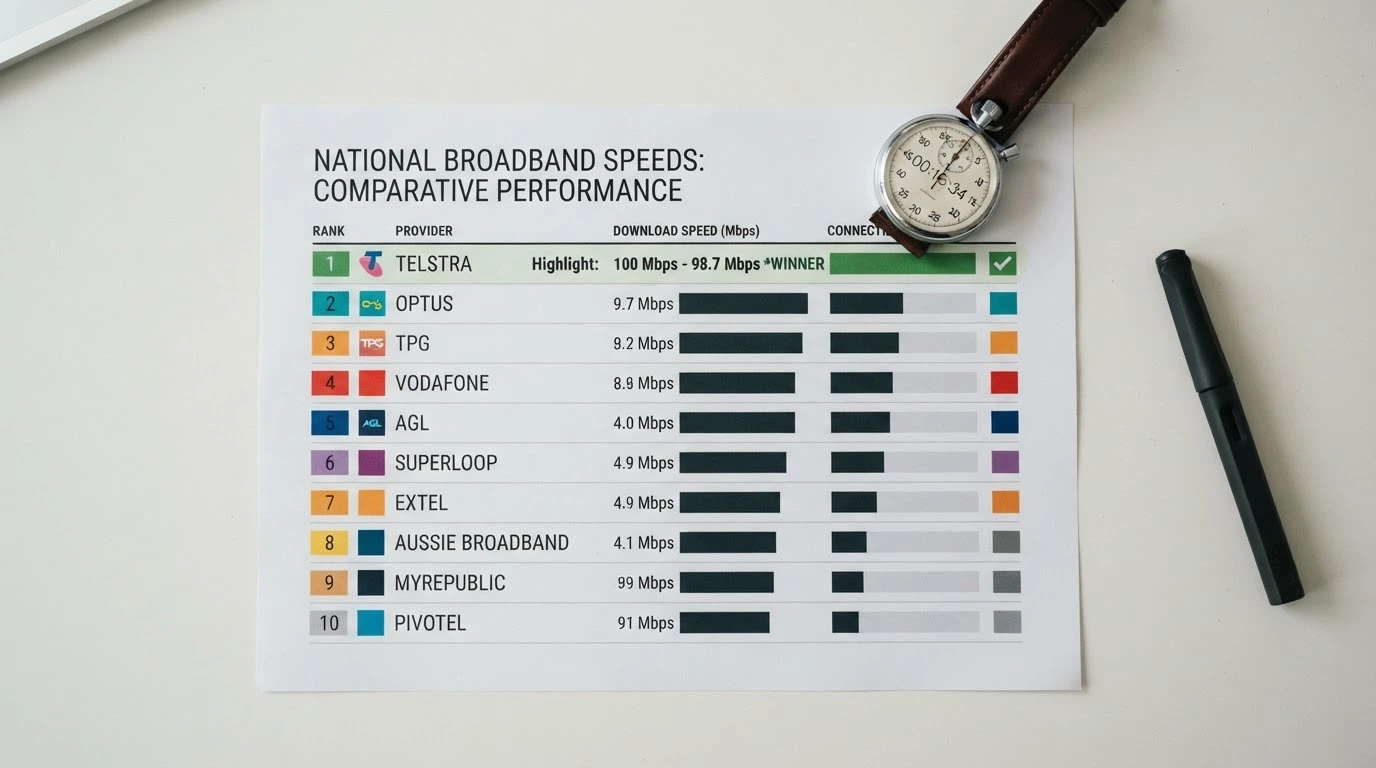
PayID is the fastest AUD method at the casinos that support it. Crypto is the fastest method overall. The ranking reflects tested speed where available; where a casino’s speed was not confirmed this run, the position reflects what its profile carries.
SkyCrown
SkyCrown is the speed leader of the featured set by a wide margin. The casino holds a Curaçao eGaming licence — no Australian licence, and the product it offers Australian players is prohibited under the Interactive Gambling Act 2001. The welcome package is a four-tier offer worth up to A$8,000 plus 400 free spins, with 40x wagering applied to both the bonus money and the free spin winnings. The free spin portion carries a maximum win limit of A$300 per tranche, which caps the upside on the spins even when the wagering clears. The headline bonus figure is generous; the terms make it work-heavy.
PayID withdrawals at SkyCrown cleared in eleven minutes in independent testing — the fastest confirmed result in the ranking. Minimum withdrawal is A$30 via PayID and A$100 via bank transfer. Weekly limits sit at A$7,500 and monthly limits at A$45,000, which is enough headroom for most players but a ceiling for high rollers. The max bet during wagering is A$7.50 (regular) or A$10 (high roller), and the bonus validity is fourteen days for the standard bonus or five days for the high-roller tier. The library runs to more than ninety providers, which is broader than most of the featured set.
SkyCrown suits a player who wants PayID speed and accepts steep wagering in exchange. The bonus ceiling is real; the conditions to clear it are not casual.
RocketPlay
RocketPlay runs a Curaçao eGaming licence and a lobby of more than 3,000 games. The welcome offer is a multi-deposit package with 150 free spins included. Wagering sits in the 35x–40x band on bonus amounts, and the maximum bet during wagering is 5 USD per spin or game round — a low ceiling that constrains how quickly a player can work through turnover. Bonus expiry is seven days from activation, which is the tightest validity window in the featured set.
The withdrawal ceiling is RocketPlay’s sharpest constraint. A$2,500 a day, A$7,500 a week, A$15,000 a month is generous for casual play and restrictive for a large win. PayID withdrawals clear in under an hour for most Australian banks, which puts RocketPlay in the same speed tier as SkyCrown but with tighter caps. Minimum withdrawal is not published in the terms reviewed this run; a player should check the cashier before committing to a deposit. The combination of a broad lobby, fast PayID, and tight caps makes RocketPlay best suited to regular players with moderate session sizes rather than high-rollers chasing progressive wins.
Royal Reels
Royal Reels is the player-friendly outlier of the ranking. The wagering requirement is 30x on the bonus only — deposit excluded — which is materially lighter than the 40x-on-bonus-plus-deposit terms that dominate the rest of the featured set. The welcome bonus is a 50% deposit match; the exact cap is not published in the terms reviewed this run. Royal Reels holds a Curaçao licence and the game library includes Push Gaming titles, which is a meaningful addition for Australian players looking for higher-volatility slots.
Withdrawal limits are A$9,000 per day with no win cap, the most generous ceiling among operators that publish their limits. Bank transfer payouts clear in under one day in player reports. The minimum withdrawal, bonus validity window, and maximum bet during wagering were not published in the terms reviewed this run, and a player should check the cashier page before depositing. Royal Reels suits a player who values low wagering and high daily caps over speed-of-light PayID, and the trade-off is reasonable — the casino pays a bit slower but asks for less.
Fair Go
Fair Go is the RTG specialist of the ranking, with a 280-game library powered by RealTime Gaming. The casino operates under a Curaçao eGaming licence held by Deckmedia N.V. The welcome offer is a 100% match up to A$200 on each of the first five deposits, totalling A$1,000 in bonus money across the package. Wagering sits in the 30x–40x range, which is the RTG market standard.
The minimum withdrawal is A$100, which is the highest minimum in the featured set and a constraint for players with small bankrolls. Crypto withdrawals process in 15–45 minutes during business hours, with weekend payouts stretching to 2–4 hours. Daily, weekly, and monthly withdrawal caps are not published in the terms reviewed this run; support provides per-account limits on request. Bonus validity and maximum bet during wagering are also not published in the reviewed material.
Fair Go suits a player who prefers crypto and is comfortable with RTG’s catalogue. The A$100 minimum is the friction point — it prices out the smallest bankrolls — and the caps not being published is a transparency gap a player should resolve with support before depositing.
WinSpirit
WinSpirit holds a Curaçao licence and publishes withdrawal limits in USD: 14,000 per week and 60,000 per month, with no win limit. The wagering requirement is 40x on most bonuses, which is the market standard rather than a feature. WinSpirit runs a 40-free-spin no-deposit offer alongside its main welcome package, and the exact welcome cap is not published in the reviewed terms. The daily cap sits around A$5,000.
The sharpest feature of WinSpirit’s profile is also its sharpest constraint: a 12-hour approval window is common, even for methods that would otherwise clear in minutes. A PayID payout that should land in two minutes can take twelve hours if the approval queue is full. Minimum withdrawal is A$20–30. Maximum bet during wagering is A$7.50. Welcome bonus terms, bonus validity, and the specifics of the 40-free-spin no-deposit offer are not published in the reviewed material and should be confirmed in account before claiming.
WinSpirit suits a player who values generous weekly and monthly caps and is comfortable waiting through a longer approval window. The payout speed is competitive on the upper end of the band but not a headline number.
Stake
Stake operates under a Curaçao eGaming licence and runs a rakeback/VIP model rather than a traditional welcome bonus. There is no sign-up deposit match, no free spin bundle, and no wagering requirement to clear — the value comes from rakeback on play volume and tier-based VIP rewards. This structure is fundamentally different from the deposit-bonus model at most of the featured set.
Crypto payouts at Stake clear in under two hours in independent testing, with KYC re-verification triggered twice during the test period. The re-verification friction is a real point: a player who has already cleared identity checks can be asked to re-submit documents, which adds days to a withdrawal. Minimum withdrawal, daily caps, weekly caps, and monthly caps were not published in the reviewed material. Welcome bonus, free spins, wagering, bonus validity, and max bet during wagering are all not applicable under the rakeback model.
Stake suits a crypto-first player who prefers rakeback over deposit bonuses and is comfortable with periodic re-verification. The lack of a traditional welcome offer is a feature, not a gap — players who clear bonuses at other casinos will not find the same mechanic here.
Rainbet
Rainbet is the dark horse of the ranking. The casino holds an Anjouan licence (ALSI-152406029-FI2), which is a lighter regulatory regime than Curaçao but not absent. The headline feature is the speed: Rainbet processes withdrawals in 5–15 minutes, with extensions to 45 minutes during periods of crypto network congestion. The minimum withdrawal is $15 equivalent, which is the lowest minimum in the featured set.
The welcome offer is the Wager Lock Promotion, with a minimum qualifying deposit of $30 and a maximum qualifying deposit of $700. Wagering on some promotions is 40x; the crypto deposit carries a 1x wager lock. Rainbet Originals are provably fair — a feature covered in the crypto section below. Daily, weekly, and monthly withdrawal caps are not published in the reviewed material. Bonus validity is not published either.
Rainbet suits a crypto player who wants the fastest processing time available and is comfortable with an Anjouan-licensed operator. The speed edge is real, and the provably fair library is a meaningful trust feature for a player who wants cryptographic proof that the games are not rigged.
Scream Casino
Scream Casino is included in the ranking for completeness of the Australian-facing set — the operator carries 0.99% AU market share in industry tracking, which is small but not absent. Beyond the market-share figure, Scream Casino’s profile is thin. Licence, game providers, welcome bonus, free spins, wagering, bonus validity, minimum withdrawal, withdrawal limits, payout speed, and maximum bet during wagering were all not confirmed in the research conducted for this page.
A player evaluating Scream Casino should treat the absence of published specifications as the feature itself. There is no speed claim to verify, no bonus cap to compare, and no withdrawal ceiling to budget against. The market-share figure suggests the casino is reaching Australian players, but it does not say anything about what those players experience after they deposit. Scream Casino suits a reader who wants the operator included for completeness and is prepared to do their own due diligence before depositing.
Bizzo Casino
Bizzo Casino operates under a Curaçao licence and offers a 125% first-deposit match up to A$2,500 plus 125 free spins. The bonus cap is the headline figure; the wagering requirement is not published in the terms reviewed this run. The casino runs multiple game providers, and the library mix is broader than single-provider operations like Fair Go.
Payout speed, minimum withdrawal, daily/weekly/monthly caps, bonus validity, and maximum bet during wagering were all not confirmed in the research conducted for this page. A player considering Bizzo should weigh the bonus figure against the absence of published terms — a 125% match up to A$2,500 is a strong headline, but the conditions to clear it are unknown until the player opens an account. Bizzo suits a player attracted to the bonus size who is willing to verify the underlying terms before depositing.
Rocket Casino
Rocket Casino operates under a Curaçao licence and offers a multi-deposit welcome package with 150 free spins included. The structure mirrors several other featured operators but without the same level of published specifications. Welcome bonus cap, wagering requirement, bonus validity, minimum withdrawal, daily/weekly/monthly caps, payout speed, and maximum bet during wagering were all not confirmed in the research conducted for this page.
Rocket Casino is included in the ranking because the operator reaches Australian players and carries a 150-free-spin welcome offer, which is a meaningful headline. The absence of published specifications is the constraint — a player who values transparency should check the terms page directly before committing to a deposit. Rocket Casino suits a reader who wants the operator in the ranking for completeness and accepts that the published profile is thinner than the rest of the set.
Why Crypto Casinos Clear Withdrawals Faster Than Any Bank
Bitcoin, USDT, and Ethereum: Which Blockchain Wins the Speed Race
USDT on the TRC-20 network is the pick for Australian players who want speed without volatility. TRC-20 fees come in under A$0.50 per transaction, and confirmation lands in under sixty seconds — meaningfully faster than Bitcoin’s ten-minute block time and Ethereum’s variable gas fees. The stablecoin structure removes the price-risk layer that complicates Bitcoin and Ethereum withdrawals: a player winning A$2,000 on a Bitcoin payout and watching Bitcoin drop ten percent before cashing out loses A$200 to the price move. USDT holds its value against the dollar through the withdrawal window, and the player converts to AUD at their own pace.

Crypto payouts at offshore casinos serving Australian players clear in 2–60 minutes. Rainbet processes in 5–15 minutes under normal network conditions and up to 45 minutes during congestion. Fair Go’s crypto payouts clear in 15–45 minutes during business hours. The speed advantage over PayID is real but narrowing — at the fastest end of the PayID band, a PayID payout and a USDT TRC-20 payout arrive within minutes of each other. The structural advantage of crypto is the absence of an intermediary: there is no bank, no payment processor, and no compliance hold between the casino’s wallet and the player’s wallet. The Australian regulatory note is worth keeping in mind: crypto is banned as a payment method for licensed online wagering in Australia since 11 June 2024, but that ban applies to licensed operators only. Offshore casinos ignore it.
The No-KYC Promise: When Anonymity Meets the Withdrawal Threshold
“No KYC” is a marketing claim, not a legal reality, at every reputable operator in the featured set. The pattern is consistent: anonymous play is permitted up to a threshold — typically A$2,500–A$5,000 equivalent — and identity verification kicks in above it. The casino does not volunteer the threshold in its marketing; the player discovers it at the moment of the first significant withdrawal, which is exactly when speed matters most. Incomplete KYC at that moment is the single biggest cause of withdrawal delays across the offshore market. A player who has not prepared their documents in advance loses hours — sometimes days — to a verification queue they did not know existed.
The documents the casino requests are predictable: government-issued photo ID, proof of address (a utility bill or bank statement under three months old), and sometimes a source-of-funds declaration. The casino reviews the documents, runs sanctions and PEP (politically exposed person) screening, and approves the withdrawal once the checks clear. The Australian regulatory gap is the wider context — there is no Australian consumer protection framework that reaches an offshore operator, and a player whose KYC check is rejected has no complaints body to escalate to. Preparing documents before the first big withdrawal is the practical mitigation; choosing an operator with a published verification window is the structural one.
Provably Fair Games: What Crypto Casinos Offer That Traditional Ones Cannot
Provably fair is a cryptographic mechanism that lets a player verify the outcome of a game was not manipulated after the fact. The casino commits to a server seed before the player bets, the player provides a client seed, and a nonce increments with each round. After the bet resolves, the player can run the three inputs through a hashing algorithm and confirm the result matches what the casino reported. The math does not depend on trusting the operator — the player verifies independently, which is the structural difference from a traditional RNG (random number generator) certified by a testing lab.
Rainbet Originals are provably fair in this sense, and a few other crypto-first operators in the wider market offer the same mechanism. Traditional fiat casinos cannot replicate the feature without exposing their internal seed structure, which is why provably fair games are concentrated at crypto-native brands. For a player choosing between a Curaçao-licensed fiat casino and an Anjouan-licensed crypto casino, the provably fair mechanism is the one piece of trust infrastructure the offshore market offers — it does not replace a regulator, but it does let a player check the math.
Why Your 2026 Casino Bonus Takes Longer to Withdraw Than You Think
No-Deposit Bonuses: The Free Money That Comes With the Heaviest Strings
No-deposit bonuses are the closest thing the offshore market offers to free money, and they come with the heaviest conditions attached. Wagering requirements on no-deposit bonus winnings typically sit at 40x–60x at AU-facing offshore casinos, which means a player winning A$50 from a no-deposit free spin offer must wager A$2,000–A$3,000 before the winnings convert to withdrawable cash. WinSpirit’s 40-free-spin no-deposit offer is the example in the featured set. A A$20 win from the spins at 40x wagering means A$800 of turnover before withdrawal — and the player is doing that turnover on their own deposit, with the house edge working against them on every spin.

The marketing word is “free.” The arithmetic is something else. A 40x requirement on a A$20 win is not a gift; it is a commitment of deposit and time. The max-cashout cap on no-deposit bonuses — typically A$100–A$200 at offshore casinos — limits what the player can withdraw even after the wagering clears. The combination of high wagering, low cashout caps, and the implicit cost of working through turnover on the player’s own funds is why no-deposit bonuses are a hook rather than a profit centre. They exist to move a player from the landing page to a deposit; the bonus is the entry fee.
Wagering Requirements: How 40x Turns a Bonus Into a Full-Time Job
The SkyCrown welcome offer illustrates the scale. A player claiming the full A$8,000 bonus at 40x wagering must work through A$320,000 of qualifying bets before the bonus converts to real money — assuming the bonus amount alone is wagered, which is the casino-friendly interpretation. At a stake of A$1 per spin, that is 320,000 spins. At five seconds per spin, that is roughly 444 hours of continuous play. The player is not playing for A$8,000; the player is playing through a workload to unlock the A$8,000 — and every spin carries the house edge, which means the expected loss over the clearing period is a meaningful number on its own.
Royal Reels offers 30x wagering on the bonus only — deposit excluded — which is materially lighter than the 40x-on-bonus-plus-deposit terms at SkyCrown and RocketPlay. The distinction matters. A 30x-on-bonus-only structure means the player wagers the bonus amount thirty times, not the deposit-plus-bonus. A A$500 bonus at 30x is A$15,000 of turnover. A A$500 deposit-plus-bonus at 40x is A$40,000 of turnover. The bonus-only structure is faster to clear, and the deposit is not at risk of being tied up in the wagering requirement.
RocketPlay’s 7-day bonus expiry is the tightest validity window in the featured set. A player who claims a bonus and does not complete the wagering within seven days forfeits the bonus and any winnings tied to it. The 5 USD max bet during wagering is also a constraint — a player who tries to clear the requirement quickly by betting large is blocked at the spin level. The combination of a tight expiry, a low max bet, and a 35x–40x wagering requirement is the casino’s mechanism for ensuring the bonus is cleared slowly enough for the house edge to do its work.
Free Spins: Fast Games, Slow Cashouts
Free spin wagering typically sits at 20x–40x on winnings — lower than deposit bonus wagering, but applied to a smaller base. SkyCrown’s 400 free spins are split across four deposits, with 40x wagering on the winnings and a A$300 max win cap per spin tranche. A player winning A$250 from one tranche can withdraw that A$250 only after wagering A$10,000 at 40x. The A$300 cap means even a player who hits a high-paying spin combination cannot convert the upside into withdrawable cash above the cap — the excess is forfeited.
Bizzo Casino’s 125 free spins on the first deposit are the other example in the featured set. The wagering and cap are not confirmed in the reviewed terms; a player should check the bonus conditions before claiming. Wager-free spins exist at some offshore casinos as a player-friendly alternative — the winnings convert to withdrawable cash immediately — but they are rare in the featured set. Most free spin offers carry both wagering and a max-win cap, which is the casino’s way of ensuring the spin bundle is a promotional tool rather than a payout event.
Which Online Pokies Actually Support Fast Payouts in Australia
The AU Pokies Market: What Australian Players Are Really Playing
The Australian pokie market is the deepest in the world by per-capita spend, and the offshore casinos serving Australian players have shaped their libraries to match. SkyCrown runs ninety-plus providers, which is the broadest mix in the featured set and covers everything from Aristocrat-style classics to Megaways titles and bonus-buy slots. RocketPlay’s 3,000-game lobby is the largest by raw count and covers a similar breadth. Fair Go is the RTG (RealTime Gaming) specialist, with 280 games concentrated in the RealTime Gaming catalogue — a smaller library but a consistent feel that regular RTG players recognise. Royal Reels carries Push Gaming titles, which is a meaningful addition for players who want higher-volatility games with serious max-win potential.

The game itself does not control the payout speed. A pokie is a random number generator with a reel interface, and the speed at which a withdrawal reaches a player depends on the casino’s processing and the payment rail. What the game provider does control is the feel of the session — volatility, RTP, bonus frequency, and max win — and those are the dimensions that vary across the libraries. A player who values session length will pick a low-volatility title from a provider like RTG. A player who values max-win potential will pick a high-volatility Megaways title from a provider like Push Gaming or Pragmatic Play. The casino’s library mix determines which of those titles a player can actually reach.
RTP and Volatility: Why the Numbers Matter for Your Cashout
RTP (Return to Player) is the percentage of wagered money a pokie returns to players over a large number of spins. A 96% RTP pokie returns A$96 for every A$100 wagered across the full population of spins — which is millions of spins, far longer than any single session. A player who sits down for an hour and wagers A$200 at 96% RTP has an expected return of A$192, but the actual return will deviate meaningfully from that figure over a short session. RTP is a long-run average, not a session promise.
Volatility is the spread of outcomes around that average. A low-volatility pokie returns small wins frequently, which means a longer session and more entertainment per dollar wagered. A high-volatility pokie returns wins infrequently, which means longer losing stretches punctuated by larger payouts. The two interact with bankroll size in opposite ways: a small bankroll lasts longer on a low-volatility game, and a large bankroll can absorb the dry stretches of a high-volatility game in pursuit of the bigger payouts.
Neither figure is published for most titles in the featured set, and the casino is not required to surface per-game RTP in its lobby. A player who wants to check a specific title’s RTP should look at the provider’s own game information page, where the figure is typically disclosed. Per-title volatility is even less consistently published. The practical guidance for a player is to choose volatility based on bankroll size and session length, and to treat any advertised RTP as a long-run average rather than a session expectation.
The Legal Reality Australian Players Cannot Afford to Ignore
The Interactive Gambling Act 2001: Why No Online Casino Is Licensed in Australia
The Interactive Gambling Act 2001 makes it an offence to provide online casino games, online pokies, or in-play sports betting to a person physically in Australia. There is no Australian licence for any of those products — not federally, not in any state or territory. The Interactive Gambling Amendment Act 2017 strengthened enforcement, gave the ACMA (Australian Communications and Media Authority) the power to direct ISPs (internet service providers) to block illegal sites, and closed several offshore loopholes. The Northern Territory Racing and Wagering Commission (NTRWC), administered through Licensing NT, is the de facto national licensor — but only for pre-event sports and racing wagering, not for online casino. No online casino brand on this page holds an Australian licence, and no online casino brand on this page can hold one.

What the IGA targets is the provider, not the individual player. An Australian who deposits at an offshore casino is not committing an offence. The casino is. The consequence for the player is not prosecution — it is the absence of every protection Australian gambling law would otherwise provide. There is no Australian complaints body to escalate a dispute to. There is no BetStop coverage at the offshore site. There is no guarantee the casino will pay out, no protection from arbitrary account closure, and no protection from the site being DNS-blocked with a balance remaining. The ACMA has directed ISPs to block 1,564 illegal gambling and affiliate websites since November 2019. More than 225 illegal services have withdrawn from the Australian market since 2017. Any operator on this page is one blocking request away from becoming unreachable.
Credit cards and crypto are banned as payment for licensed online wagering in Australia since 11 June 2024 — a rule that applies to licensed operators only. An offshore casino accepting credit-card deposits from an Australian player is operating outside Australian rules entirely. The fact that the offshore casino accepts the payment method the licensed market has ruled out is the clearest single signal that the operator sits outside the Australian regulatory perimeter.
The 2026 Reform: What the 2026 Gambling Amendment Means for Your Withdrawals
The Interactive Gambling Amendment (Gambling Reform) Bill 2026 passed Parliament on 19 August 2026. Its measures commence on 1 January 2027. The provisions that affect an Australian player at an offshore casino are concentrated in two areas: payment blocking and inducement marketing. From 1 January 2027, banks and payment providers gain express authority to block transactions to illegal gambling operators — a deposit to an offshore casino may be declined by the player’s bank before it reaches the operator, and a withdrawal from an offshore casino may be intercepted on the way back. The mechanism is the bank’s; the trigger is the operator’s status as an illegal provider under the IGA.
The inducement marketing rules are equally direct. Direct marketing of inducements — sign-up offers, referral bonuses, “free bet” prompts — is prohibited for fourteen days after a customer signs up with a licensed operator, for three months after a person deregisters from BetStop, and indefinitely for customers identified as at-risk. The rules apply to licensed operators, which means the offshore casino sending a “We miss you — here’s a bonus” email three weeks after a player closed their account is not breaking an Australian rule. The licensed bookie doing the same thing is. The structural effect is to push the inducement-heavy promotional culture further offshore, where it is already concentrated.
The advertising reforms sit alongside the payment-blocking provisions. Wagering advertising is capped at three ads per hour between 6:00 am and 8:30 pm. A live-sport blackout bans wagering ads from fifteen minutes before to five minutes after live sporting events. Athletes, celebrities, and influencers are barred from promoting wagering. Wagering ads are banned in sports venues and on player uniforms. Online wagering ads are restricted to logged-in, age-verified users with an opt-out option. Radio ads are barred during school times, and broadcasting of sporting odds is banned outright. A Wagering Advertising Opt-out Register is to be administered by the ACMA. Online keno — “pocket pokies” — and foreign-matched lotteries are banned. None of these provisions legalises online casino; they tighten the perimeter around the wagering products that are already licensed.
The practical effect for an Australian player depositing at an offshore casino in 2026 is that the deposit and withdrawal rails are about to become less reliable. PayID and bank transfer may be subject to bank-side blocking from 1 January 2027. Crypto may face pressure as the reform’s payment-blocking provisions take effect, even though the crypto ban for licensed wagering is already in force. A player who plans to continue using offshore casinos in 2027 should assume the payment experience will be less smooth than it was in 2026, and should not be surprised if a familiar method stops working without notice.
Staying in Control: Tools That Work When the Casino Does Not Care
BetStop and the Offshore Blind Spot: What Self-Exclusion Actually Covers
BetStop — the National Self-Exclusion Register — went live in August 2023 and has accumulated 67,480 registrations as at 31 July 2026, of which 41,290 exclusions are still active. Seventy-eight percent of registrants are under 40, and thirty-eight percent chose lifetime exclusion. One registration excludes a person from every Australian-licensed online and phone wagering service. It is the strongest self-exclusion tool Australia has built, and it does not touch a single casino on this page.

The limitation is structural. BetStop binds licensed wagering services — the sportsbooks and race bookmakers licensed by the NTRWC and the state regulators. An offshore casino is not connected to BetStop, does not check BetStop, and does not honour a BetStop registration. A player who has registered with BetStop and then deposits at an offshore casino is doing so without any of the protections BetStop was designed to provide. The registration is real and binding on the licensed side; it is invisible on the offshore side. From 1 January 2027, the inducement marketing rules add a further layer: direct marketing of inducements is prohibited for three months after a person deregisters from BetStop, which closes one of the more aggressive re-engagement channels the licensed market was using.
A player who needs self-exclusion that reaches offshore casinos does not have an Australian tool for it. The licensed market provides BetStop; the offshore market provides whatever the operator’s own responsible-gambling page offers, which ranges from deposit limits to voluntary account closure. A player who needs stronger protection should consider closing their offshore accounts directly, restricting their own payment methods, and using the licensed-side BetStop registration alongside those steps. The combination is not a substitute for a tool that covers both markets; it is the most complete protection currently available.
Deposit Limits, Activity Statements, and Where to Get Help
The licensed Australian wagering market operates under the National Consumer Protection Framework for Online Wagering, a ten-measure framework that includes identity verification, restricted incentives, voluntary pre-commitment (a system where a player sets deposit or loss limits before they start betting), activity statements (regular reports showing a player’s deposit and betting history), consistent messaging, and staff training. Offshore casinos are not bound by the framework. A player who wants deposit limits at an offshore casino must rely on whatever the operator’s own responsible-gambling page offers, and the quality of those tools varies.
The harm statistics make the urgency clear. In 2023–24, Australians lost approximately A$32.2 billion on legal forms of gambling — the highest per-capita losses in the world at around A$1,521 per person. Sixty-five percent of Australian adults had gambled at least once in the past twelve months, up from fifty-seven percent in 2019. Fifteen percent of Australians are now at risk of gambling harm, up from eleven percent in 2019. About 2.1% of Australian adults — roughly 430,000 people — experience problem gambling, with high-risk gambling at 1.8%. More than seventy percent of Australian adults who regularly bet online on sports or races are experiencing, or are at risk of experiencing, gambling harm. Only five percent of the at-risk group sought help in the past twelve months.
The help infrastructure is free, confidential, and available around the clock. The National Gambling Helpline is 1800 858 858 — staffed 24 hours a day, 7 days a week. Gambling Help Online provides free 24/7 chat and email counselling at gamblinghelponline.org.au. Both services are reachable from any Australian, regardless of whether they play at a licensed or offshore site. The licensed market’s consumer-protection framework does not reach offshore casinos; the help infrastructure does.
How We Selected and Tested Australia’s Fastest-Paying Casinos
The ranking on this page was built from four sources: operator websites and their published terms pages, independent affiliate test data (including payout-speed tests from Wildfish.com, AussiePokies96, and Payoutverdict.com), player reports aggregated through Casino.Guru and similar review platforms, and the official licence registers at the Curaçao Gaming Authority and the Anjouan gaming authority. Every operator in the ranking was checked against the ACMA’s blocked-site list to confirm the site is currently reachable from Australia and was cross-referenced against the Curaçao and Anjouan registers to verify the licence claims where published. Where a licence number was not surfaced in the reviewed material, the ranking notes the licence as unconfirmed rather than asserting a verification that did not happen.
The criteria that ordered the ranking are: tested payout speed (where confirmed), AUD support via PayID or direct AUD transfer, Australian player access (the site is currently reachable and not on the ACMA block list), licence status (Curaçao and Anjouan are the two regimes represented; the Anjouan licence for Rainbet is confirmed by number, the Curaçao licences for the other operators are confirmed by jurisdiction but not by specific licence number in the reviewed material), and bonus terms transparency (operators that publish their wagering, caps, and validity windows are ranked above operators that do not). Excluded from the ranking are: licensed Australian wagering operators (sports and racing only — no online casino product), sites on the ACMA blocked list, and operators whose terms pages were unreachable during the research pass.
The speed figures in the ranking reflect what independent testing has confirmed. Where a casino’s speed was not tested this run — Scream Casino, Bizzo Casino, Rocket Casino — the table carries the no-data marker rather than a guessed figure. The bonus terms carry the same treatment: where a casino does not publish a figure (welcome cap, wagering multiple, validity window), the cell or the operator write-up says so plainly. A ranking that estimates unconfirmed figures would be a ranking a reader cannot trust on the day a withdrawal matters.
Your Fastest Withdrawal Starts With the Method, Not the Casino
The single most important decision a player makes is the payment rail. The casino’s processing time is one variable in a two-variable equation; the payment rail is the other. PayID clears in under ten minutes at the fastest end of the band and is the lowest-friction AUD option. USDT on TRC-20 clears in under sixty seconds and is the fastest method overall, with the advantage of stable value and minimal fees. E-wallets take 1–24 hours and add a currency-conversion layer. Cards take 3–5 business days. Bank transfer takes 1–3 business days. A player who picks the right rail first and the casino second will see their withdrawal arrive in minutes. A player who picks the casino first and the rail second will see the withdrawal arrive in whatever time the rail dictates — regardless of how fast the casino approves it.
The practical sequence is straightforward. First, set up PayID or a USDT TRC-20 wallet before signing up at any casino, so the deposit and withdrawal rails are ready. Second, choose a casino that supports the chosen rail — SkyCrown and RocketPlay for PayID, Rainbet and Fair Go for crypto. Third, complete the casino’s KYC verification proactively rather than waiting for the first big withdrawal to trigger it — the documents requested are predictable, and submitting them before the first cashout removes the biggest single cause of withdrawal delays. Fourth, read the bonus terms before claiming. A 40x wagering requirement on an A$8,000 bonus is A$320,000 of turnover — a workload that takes hundreds of hours to clear and carries the house edge on every spin. The “free” money is not free; the speed of withdrawal is not the speed of bonus conversion.
From 1 January 2027, the rails are less reliable. Banks gain express authority to block transactions to illegal operators, which means a PayID deposit to an offshore casino may be declined at the bank level rather than reaching the casino at all. A player who plans to continue using offshore casinos in 2027 should expect the payment experience to be less smooth than it was in 2026, and should not be surprised if a familiar method stops working without notice. The casino choices on this ranking are the best available in 2026; the regulatory environment around them is tightening, and the window in which the current payment experience holds is narrowing.
Frequently Asked Questions
Do I need to complete KYC verification before withdrawing from an instant payout casino?
Yes — every reputable offshore casino requires identity verification before processing a withdrawal above a threshold, typically A$2,500–A$5,000 equivalent. Submitting documents proactively before the first significant withdrawal removes the biggest single cause of payout delays. The casino asks for government photo ID, proof of address, and sometimes a source-of-funds declaration.
What happens if an offshore casino refuses to pay out my winnings in Australia?
An Australian player at an offshore casino has no Australian complaints body to escalate to. The Interactive Gambling Act 2001 targets the provider, not the player, so the casino is the one breaking Australian law — but the player is also the one without recourse. The only practical remedies are the casino’s own dispute process, the licence-issuer’s complaint channel (Curaçao or Anjouan), and the payment rail’s chargeback mechanism where applicable. None of these is fast or guaranteed.
Can I claim a no-deposit offer and cash out the same day at an Australian casino?
Rarely. No-deposit bonuses at offshore casinos typically carry 40x–60x wagering on winnings, plus a max-cashout cap of A$100–A$200. Clearing A$800–A$3,000 of wagering on the player’s own deposit in a single session is unusual, and the cashout cap limits what the player can withdraw even after clearing. The offer is real; the same-day cashout is the exception, not the rule.
What is the minimum amount I can withdraw from an instant payout casino in Australia?
It depends on the casino and the method. PayID minimums at offshore casinos sit between A$10 and A$30. Bank-transfer minimums are typically higher — A$100 at SkyCrown, for example. Fair Go’s minimum is A$100 across methods. Rainbet’s minimum is $15 equivalent. A player with a small bankroll should check the cashier page before depositing, because the minimum can price out the smallest balances.
How can I tell if a casino is still processing withdrawals for Australians in 2026?
The ACMA publishes a list of blocked sites and updates it as new blocking requests are issued to Australian ISPs. A player can search the ACMA’s website for the operator’s domain to check current status. Independent affiliate trackers also monitor which operators are still accepting Australian players. A casino that disappears from both sources without notice is likely blocked — and any balance remaining at that point is, in practice, lost.
What should I do if a casino delays my withdrawal for more than 24 hours?
The first step is to contact the casino’s support team and ask for the specific reason for the delay — KYC review, payment-rail issue, or internal queue. If the answer is KYC, submit the requested documents immediately. If the answer is unsatisfying or the casino stops responding, the next step is the licence issuer’s complaint channel (Curaçao Gaming Authority or Anjouan). Beyond that, the payment rail’s dispute mechanism may apply — chargeback for card payments, recall request for bank transfer. None of these is fast, and none is guaranteed.